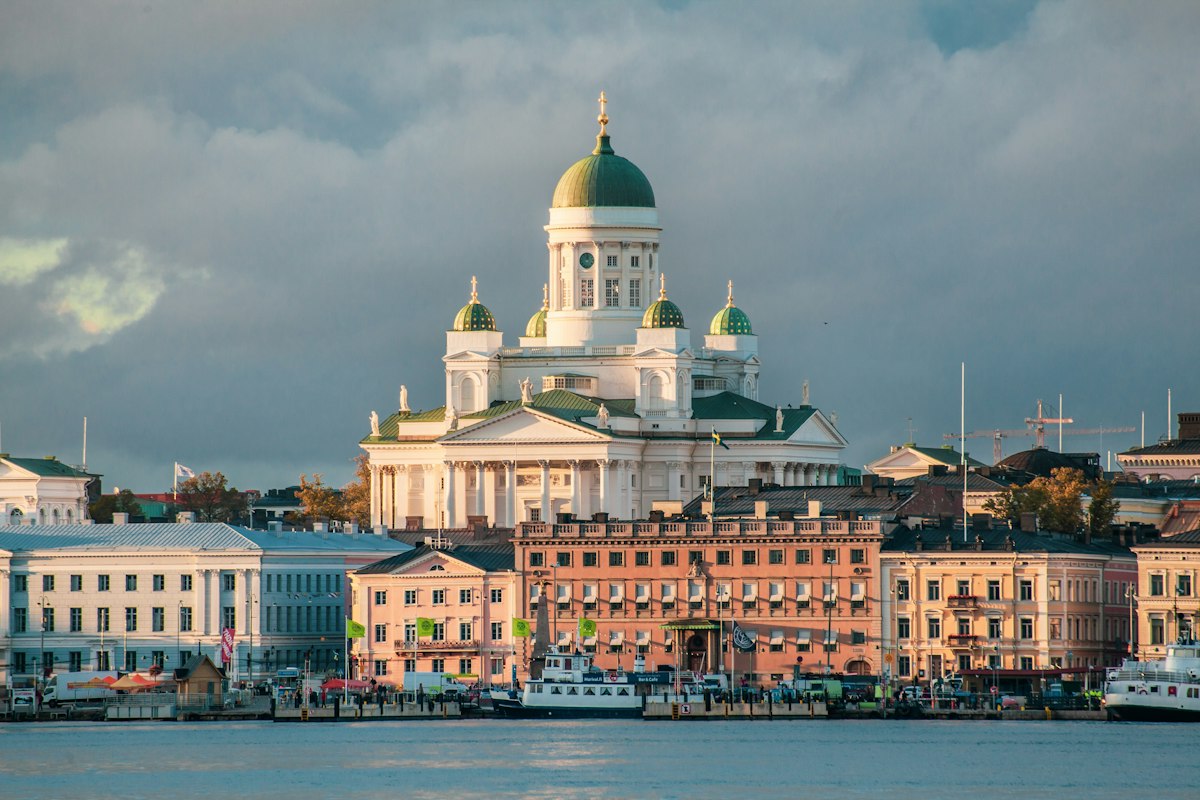
Chef and Cook Jobs in Finland (2026): Pay, Hygiene Passport and Hiring
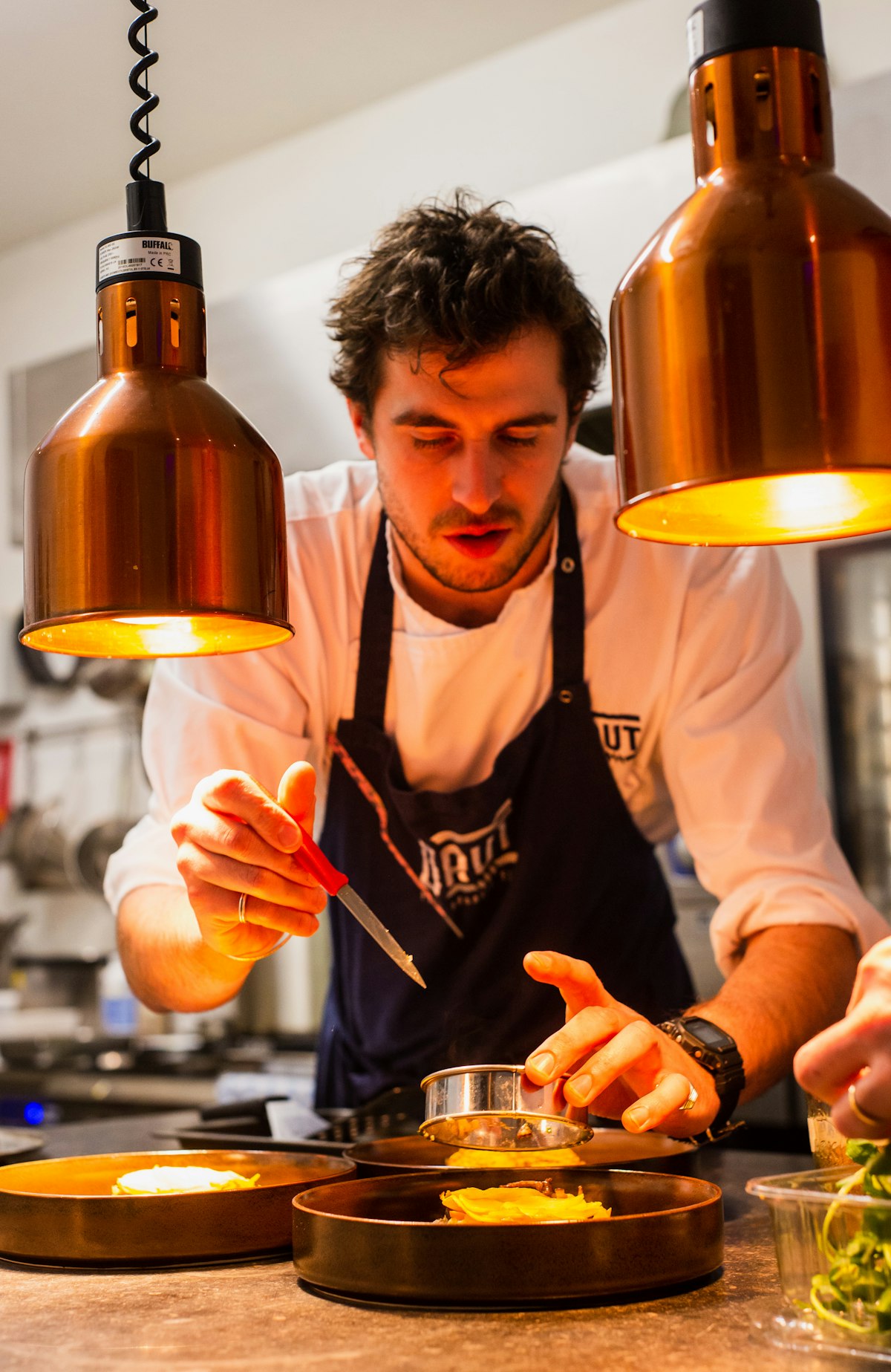
Chef & Cook Jobs in Finland (2026): Pay, Hygiene Passport & Hiring
Finland eats out more every year, Lapland's resorts feed thousands nightly through winter, and Helsinki's restaurant scene keeps expanding — while Finnish vocational schools graduate fewer cooks than the industry needs. The result: kitchens hire foreigners continuously, from dishwashers to head chefs, with English working fine in most international brigades.
This guide covers the kitchen ladder end to end: real 2026 pay from kitchen hand to head chef, the mandatory hygiene passport, where hiring concentrates (city restaurants vs Lapland season), permits, and how foreign cooks build respected careers in a country that takes food professionalism seriously.
Why Kitchens Hire Foreigners
Cooking skill transfers across borders instantly — a tasting plate needs no translation. High turnover (burnout, seasonal swings, unsocial hours) keeps vacancies permanent; lunch restaurants, hotel kitchens, staff canteens, and Lapland resorts run chronic shortfalls. International brigades are already the norm in Helsinki centre, Espoo's hotel cluster, and every Lapland resort kitchen — head chefs routinely manage teams of six nationalities in English.
Real Pay: Kitchen Hand to Head Chef (2026)
Hospitality collective-agreement scales plus experience supplements give roughly:
- Kitchen helper / dishwasher (keittiöapulainen): ~€12–€13.50/hour — no experience or Finnish needed
- Cook (kokki): ~€13.50–€16/hour depending on venue and experience
- Skilled cook / station chef (vuorokokki): ~€15–€18/hour
- Sous chef: ~€2,800–€3,500/month
- Head chef (keittiömestari/keittiöpäällikkö): ~€3,200–€4,500/month, higher in premium Helsinki restaurants and large Lapland operations
- Evening/weekend premiums stack on hourly roles; monthly totals for full-time cooks typically land €2,200–€3,000
Staff meals (a legal/practical institution — you eat where you work) and stable daytime-banquet rhythms in hotels offset the unsocial reputation. Fine-dining stages (unpaid trials) still exist at the top end — limit them to days, never weeks.
The Hygiene Passport (Hygieniapassi): Mandatory
Anyone handling unpackaged food needs this certificate: a ~1-hour test (in English, Russian, and other languages at many testers) covering food safety, temperatures, allergens, and hygiene law. Cost is typically €40–€60 including the card; many employers arrange test sessions for new hires and some staffing agencies pre-fund it. No passport, no kitchen job — get it in week one (or before arrival via online preparation materials). It never expires and works nationwide, so it is the single highest-ROI half-day of any food career in Finland.
Where the Jobs Are
- Helsinki centre restaurants — the densest market: bistros, lunch spots (lounasravintolat with brutal but regular morning shifts), ethnic restaurants (where your native cuisine is the asset), and hotel dining rooms.
- Staff canteens and institutional kitchens — schools, hospitals, corporate sites: daytime hours, weekends free, steady contracts. The work-life-balance choice for cooks with families.
- Lapland winter resorts — November–April intensity with accommodation help and seasonal premiums; see the full Lapland season guide. Resort winters compress a year's experience into five months.
- Summer terraces and festivals — May–August outdoor season with fast hiring and high turnover (easy entry, per our summer jobs logic).
- Staffing agencies (HoReCa specialists) — the fastest channel: one registration, shifts within days, across venues that become direct employers when they like you.
Find them on My Jobs (filter hospitality in Helsinki, Rovaniemi, Levi, Tampere), agency pages, and — still effective in this trade — walking into kitchens with a printed CV between lunch and dinner service.
Requirements and Permits
- Skills over papers: tasting and knife work beat certificates at hiring; formal qualifications (vocational kokki degree or foreign equivalents) matter for sous-chef+ and institutional kitchens.
- Finnish: unnecessary in international brigades; useful for head-chef roles managing Finnish staff and suppliers. Kitchen Finnish (a few hundred words of equipment, ingredients, and orders) arrives within months on the job.
- Non-EU permits: standard employed-person route — cook salaries clear thresholds (full permit mechanics). Seasonal resort contracts can use the lighter seasonal-work track.
- Health: salmonella screening (required for food handlers — arranged via occupational health), reasonable physical fitness for long hot shifts.
Career Ladder: Dish Pit to Head Chef
- Months 1–6: master station discipline, speed, and Finnish kitchen vocabulary; never miss a Friday or Saturday.
- Year 1: cook title with station responsibility; hygiene passport plus alcohol-service passport (anniskelupassi) if bar-adjacent — both cheap, both pay off.
- Years 2–3: sous-chef shifts, ordering, rostering input; Lapland winters accelerate this dramatically (small brigades, big responsibility).
- Years 3–5: head-chef roles, institutional kitchen management, or catering entrepreneurship — several immigrant-founded lunch and ethnic restaurants in Helsinki started from exactly this path.
- Parallel track: vocational top-ups via apprenticeship (oppisopimus — paid study) convert experience into Finnish qualifications that unlock public-sector kitchens and teaching roles.
Finnish Food Culture: What Foreign Cooks Must Learn
Technical skill gets you hired; cultural fluency gets you promoted. Finnish food culture has specific pillars foreign cooks should internalise fast. Lunch (lounas) is sacred: the midday hot meal — typically €12–€15 buffet with salad, bread, and coffee — structures the entire restaurant day; lounas service is high-volume, time-boxed, and unforgiving, and mastering it proves you faster than any dinner service. Purity and seasonality dominate menus: New Nordic influence plus Finnish tradition means clean flavours, local fish (muikku, siika, lohi), root vegetables, berries, mushrooms, and game — learn the Finnish names and seasons for thirty core ingredients and suppliers will respect you. Allergies and special diets are law-level serious: Finnish customers declare allergies expecting exact compliance, kitchens maintain allergen matrices, and mistakes carry real liability — study the fourteen EU allergens in Finnish (gluteeni, maito, pähkinä...) in week one.
Coffee culture shapes breaks (constant, short, social — never skip the staff coffee), alcohol law shapes service (strict age checks, licensed service hours, the anniskelupassi certificate for servers — a half-day credential worth holding), and silence shapes the pass (Finnish kitchens communicate tersely; loud brigades read as chaotic, not passionate). Dietary trends to know: vegetarian and vegan demand is mainstream (every menu needs credible plant options), tap water is proudly served (never sell bottled first), and sustainability expectations (hävikkiruoka — food-waste reduction) increasingly appear in job ads and inspections. A foreign cook who masters lounas rhythm, allergen discipline, and thirty Finnish ingredient names becomes promotable within a year — culture is the actual career ladder.
Service Skills and the Alcohol Passport
Cooks who understand service out-earn those who only understand stoves. Finnish dining rooms expect calm, knowledgeable service: menu explanations without hovering, allergy handling with visible seriousness, and billing accuracy (Finns split bills precisely — learn the terminal workflows). The alcohol service passport (anniskelupassi) — a short test on licensing law, age limits, and intoxication rules — qualifies you for bar-adjacent roles and late-night venues where premiums concentrate; combined with the hygiene passport, the two cards unlock essentially every hospitality job in the country for under €100 and two half-days. Wine and beer knowledge (local breweries, natural wines, the Alko monopoly system's effect on restaurant pricing) distinguishes ambitious cooks angling for sous-chef roles with dining-room authority. And learn the Finnish service vocabulary for forty common situations (table requests, complaints, compliments to the kitchen) — guests tip rarely in Finland, but managers promote the cook who handles a difficult table in calm Finnish without calling for help.
Frequently Asked Questions
Do I need Finnish to work as a cook in Finland? No for most restaurant and resort kitchens — brigades run multilingual with English as the bridge. Head-chef posts benefit from Finnish.
What is the hygiene passport and how do I get it? A mandatory food-safety certificate: ~1-hour test (available in English), €40–€60, arranged by many employers, valid indefinitely nationwide.
How much do cooks earn in Finland? Roughly €13–€16/hour for cooks (€2,200–€3,000/month full-time with premiums); sous chefs €2,800–€3,500; head chefs €3,200–€4,500/month.
Can foreigners get cook jobs with work permits? Yes — hospitality employers routinely sponsor employed-person permits, and seasonal resort roles use the lighter seasonal track.
Is Lapland really good for cooks? Exceptionally: five intense months, accommodation help, rapid responsibility, and savings potential — the fastest career accelerator in Finnish hospitality.
What knives and tools should I bring? Your personal knife roll (chef's knife, paring, boning, steel) — Finnish kitchens provide equipment, but professionals cook better with familiar steel. Leave bulky gadgets; Helsinki restaurant-supply shops stock everything else affordably.
How do Finnish kitchens handle vegetarians? As mainstream demand, not an afterthought: every credible menu carries real plant-based options, and vegetarian stations appear in larger brigades. Cooks fluent in vegetarian and vegan technique are actively sought — list it prominently.
Can cooks study further while working? Yes — apprenticeship top-ups (oppisopimus) convert experience into Finnish qualifications with pay, and specialised courses (patisserie, butchery, sushi) run evenings. Public-sector head-chef posts often require formal qualifications, making top-ups the key to those stable roles.
What are typical kitchen working hours? Lunch restaurants run mornings to mid-afternoon; dinner service spans afternoons to late evenings; hotels add breakfast shifts. Split shifts are fading but persist in resorts — clarify schedules before signing, especially with family life to plan.
How do I handle Finnish suppliers and deliveries? Learn the forty essential items in Finnish (dairy, meat cuts, fish species, produce) plus numbers and delivery-check phrases — suppliers deliver what the order says, and miscommunication wastes expensive stock. Build relationships with regular drivers and market vendors; they warn about quality dips and price changes first.
Is opening my own restaurant realistic? Yes with preparation: several immigrant-founded lunch spots and ethnic restaurants thrive in Helsinki. You need a business plan, hygiene-compliant premises, permits (food premises notification, alcohol licence if serving), and typically €30,000–€80,000 starting capital. Work 3–5 years in Finnish kitchens first — local supplier networks and customer understanding decide survival more than recipes.
Fire up your career: find kitchen openings on My Jobs — and prep with our interview guide.