Warehouse Jobs in Finland (2026): Pay, Shifts and How to Get Hired
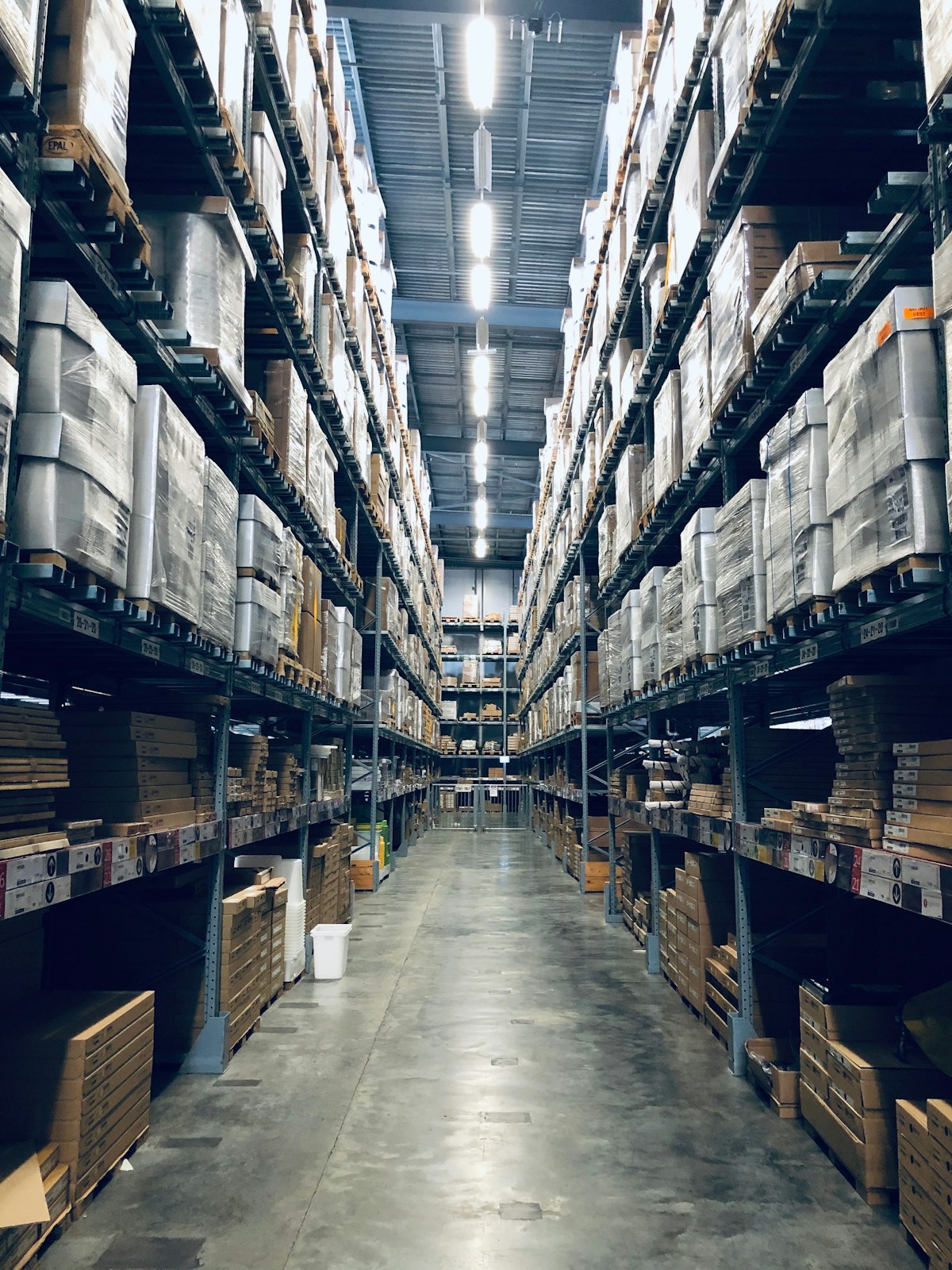
Warehouse Jobs in Finland (2026): Pay, Shifts & How to Get Hired
E-commerce never sleeps, and neither do Finland's warehouses. Around Vantaa's airport logistics belt, Turku's ports, and Tampere's distribution centres, fulfilment hubs run around the clock — and they hire foreigners continuously, with English as the working language on most international shifts.
Warehouse work is one of the highest-paying entry-level options for newcomers: night premiums stack fast, overtime is plentiful, and a forklift licence can lift your hourly rate within months. This guide covers real 2026 pay, shift structures, the roles available, licences that raise your wage, where agencies hire, and how warehouse work becomes a logistics career.
Why Warehouses Hire Foreigners Constantly
Three forces combine: relentless e-commerce growth (Finnish online retail expands yearly), high turnover (the work is physical; students and newcomers cycle through), and 24/7 operations requiring night and weekend crews that are hardest to staff locally. Staffing agencies hold standing contracts to fill these shifts and recruit internationally on repeat — warehouseTRA recruitment runs year-round, not in seasonal waves.
The practical result: the fastest hiring cycles in the Finnish blue-collar market. From application to first shift in under two weeks is normal, and English-only applicants are the standard intake, not an exception.
Real Pay Rates (2026)
Warehouse pay follows logistics and transport collective agreements, with typical levels:
- Order picker / packer (day): roughly €13–€15/hour
- Night shifts: premiums of 15–30% push effective rates to €15–€19/hour
- Forklift driver (trukkikuski): roughly €14–€17/hour base, higher with experience and specialised equipment (reach trucks, narrow-aisle)
- Team leader / shift supervisor: roughly €17–€21/hour
- Full-time monthly totals: day shifts €2,200–€2,600; night-heavy rotations €2,600–€3,200+ with overtime
Weekend work, overtime (+50%/+100% rules apply as everywhere in Finland), and holiday-season peaks all stack. A picker working nights through November–December can out-earn many office juniors — which is exactly why these shifts, though demanding, are prized by savings-focused newcomers (compare with national benchmarks in our salaries guide and budgets in our cost of living guide).
The 6 Main Warehouse Roles
1. Order picker (keräilijä)
Walking (10–20 km per shift is normal) with a scanner or voice-pick headset, collecting items for orders. Speed and accuracy are the metrics; the work is solitary and rhythmic. Most newcomers start here.
2. Packer (pakkaaja)
Packing stations: boxing, labelling, and preparing shipments. Less walking, more repetition. Often the easiest shift to get as a first-timer.
3. Forklift driver
Operating counterbalance, reach, or pallet trucks to move goods, load docks, and replenish high racks. Requires a written employer permit plus practical training (see licences below) — and pays accordingly.
4. Goods reception and dispatch (vastaanotto/lähetys)
Checking inbound deliveries against manifests, quality-spotting damage, and loading outbound trailers. More responsibility, more daytime hours, slightly higher base pay.
5. Inventory and stock control (inventointi)
Cycle counts, discrepancy investigation, and system updates (WMS terminals). Suits detail-oriented workers with basic computer skills; often a step toward office-side logistics roles.
6. Shift supervisor (vuorovastaava)
Running the floor: staffing, throughput targets, safety, and first-line problem-solving. Usually promoted from experienced pickers/drivers after 1–2 years; conversational Finnish or strong English plus proven reliability.
Licences That Raise Your Pay
- Forklift permit: Finnish law requires employer-provided familiarisation plus a written driving permit per site — agencies and employers arrange and pay for this routinely. Arriving with prior forklift experience (any country) fast-tracks you to driver roles; bring proof.
- Occupational safety card (työturvallisuuskortti): one-day course, five-year validity, expected on most sites. Often employer-funded; holding one in advance puts you first in line.
- Driver's licence (B/C): van and yard-shunter duties pay extra; C-licence holders can bridge toward truck driving — the highest-paid driving work in logistics.
- First-aid (EA1): a hiring plus for supervisor tracks.
None of these are required to start as a picker — they are the rungs you climb for higher pay once inside.
Shifts and the Physical Reality
Warehouses run morning (06:00–14:00), evening (14:00–22:00), and night (22:00–06:00) rotations, plus weekend crews. Nights pay most and suit savers; mornings suit students and parents. The work is genuinely physical: constant walking, lifting up to 15–25 kg parcels, and repetitive motions. Proper footwear (safety shoes, employer-provided or reimbursed), lifting technique, and reporting strain early protect the back and knees that warehouse careers depend on. Facilities are modern — heated, well-lit, with subsidised canteens — and occupational healthcare covers the inevitable sprains if you report them promptly.
Safety, Ergonomics, and Your Rights on the Warehouse Floor
Warehouses are among Finland's most safety-regulated workplaces — and knowing the system protects both your body and your pay. Every site must provide a safety induction before your first shift (emergency exits, pedestrian routes separated from forklift lanes, alarm procedures), personal protective equipment (safety shoes, high-visibility vest, gloves — employer-provided or reimbursed), and documented training for every machine you touch. Ergonomics rules cap manual lifting expectations and mandate mechanical aids (pallet jacks, lift tables, adjustable stations) for heavy or repetitive tasks; if your station lacks them, request them — first through your supervisor, then through the elected occupational safety representative (työsuojeluvaltuutettu) every larger workplace must have.
Injury protocol matters enormously for newcomers: report every strain, slip, or near-miss immediately (same shift, in writing), seek occupational healthcare promptly rather than "walking it off," and keep copies of every report. Finnish accident insurance covers treatment and lost earnings for workplace injuries — but only documented incidents qualify cleanly, and delayed reporting creates disputes that union legal aid then has to untangle. Common warehouse injuries (back strain from lifting, knee damage from concrete floors, repetitive wrist strain from scanning) are almost entirely preventable with technique: lift with legs, rotate tasks where possible, wear the provided supports, and use the mechanical aids instead of proving toughness. Veterans with decade-long warehouse careers share one trait: they treated ergonomics as professionalism from week one.
Your contractual rights mirror the rest of Finnish working life (see our contract rights guide): written contracts referencing the logistics collective agreement, payslips itemising hours and every premium separately, overtime paid at statutory rates (never "time off instead" without your agreement), trial periods with proper notice, and holiday accrual from the first month. Verify the first three payslips line by line — shift-premium errors are the most common payroll mistakes in 24/7 operations, and they compound silently. Join the union for your sector early (service and transport unions cover most warehouse workers): membership costs about 1% of salary, is tax-deductible, and buys legal backing plus earnings-related unemployment cover that basic benefits cannot match. Exploitation patterns to reject instantly: off-the-books overtime, "trainee" wages for experienced pickers, missing safety inductions, and pressure to operate forklifts without the written permit — each is reportable to the occupational safety authority (AVI), and each endangers the residence-permit standing that lawful employment secures.
Where to Apply
- Staffing agencies — the dominant channel: logistics-specialised agencies hold the hub contracts and place weekly. Register with several, accept the first shifts offered, and reliability gets you prioritised for better slots.
- My Jobs — filter warehouse and logistics roles in Vantaa, Turku, Tampere, and Helsinki; new shifts post continuously.
- Direct operators — large e-commerce fulfilment centres, grocery chains' distribution hubs, and third-party logistics firms (3PL) post career pages with direct applications.
- Open applications with availability grids — warehouse managers hire for coverage: a one-page Finnish CV stating "available nights + weekends, can start Monday" outperforms a generic two-pager.
Non-EU hires use the standard employed-person permit — warehouse salaries clear thresholds comfortably (see the permit guide). EU citizens just register and start.
From Picker to Logistics Career
- Months 1–6: perfect attendance, learn every station, volunteer for overtime — become the reliable name supervisors request.
- Months 6–12: get forklift-certified on company time; move to driver or reception roles with higher base rates.
- Year 1–2: shift-supervisor duties, WMS/systems competence, conversational Finnish from colleagues — the package that unlocks €3,000+ months.
- Year 2+: branch outward — transport planning, procurement assistant roles, or funded C-licence training toward trucking; or pivot with savings into studies. Logistics experience plus Finnish is a combination employers across sectors respect.
Frequently Asked Questions
Do I need Finnish for warehouse jobs? No — international shifts run on English, and picking systems use symbols and numbers. Basic Finnish helps for supervisor roles.
How much do warehouse workers earn in Finland? Roughly €13–€15/hour days, €15–€19/hour effective on nights; full-time monthly totals €2,200–€3,200+ with premiums and overtime.
Do I need a forklift licence before applying? No — employers train and permit drivers on site. Prior experience just gets you there faster.
How fast is hiring? Among the fastest in Finland: application to first shift in days to two weeks is standard.
Is warehouse work suitable for students? Very — evening and weekend shifts fit lecture schedules, and agencies specialise in student rostering (see the student jobs guide).
What should I wear for warehouse shifts? Safety shoes (employer-provided or reimbursed), weather-appropriate layers for loading docks, and the provided high-visibility vest and gloves. Good socks and insoles matter more than newcomers expect on concrete floors.
Can warehouse work lead to permanent residence? Continuous full-time warehouse employment on proper contracts accrues qualifying residence like any legal work. Keep every contract and payslip — permit renewals and future permanent-residence applications trace employment history precisely.
What is a WMS and should I learn it? A warehouse management system (WMS) directs picking, inventory, and dispatch via terminals and scanners. Basic competence comes free on the job; workers who master their site's WMS deeply become indispensable for inventory and supervisor tracks — ask for extra system training once reliable on the floor.
Start shifting: browse warehouse and logistics openings on My Jobs — and nail the application with our interview guide.